
"Pura Vida" as a Way of Moving Through the World
“Pura vida” is used constantly in Costa Rica—as a greeting, a farewell, a way of saying “fine,” “don’t worry,” or “that’s just how it is.” Spend enough time here, and you start using it yourself without thinking.
Underneath the everyday usage is an attitude toward time, food, and the forest outside the window.
“Pura vida” shows up in the patience of a guide waiting for a quetzal to appear. It shows up in the way a local host serves coffee and explains the work behind each harvest. It shows up when a naturalist pauses a hike so everyone can listen before looking.
This is why Costa Rica is so well-suited to transformative travel. The meaning does not come from adding more activities. It comes from the way each experience is paced, guided, and connected to the surrounding place.
For guests, it often becomes less of a phrase and more of a way to travel: slower, more observant, and more open to what is happening in front of them.


Why Costa Rica Supports Deeper Travel
Costa Rica covers less than 0.03 percent of the Earth’s surface and holds around five percent of its biodiversity. More than a quarter of the country is protected. Its hotel infrastructure is boutique-scale: intimate properties and specialist guides.
For advisors, the takeaway is simple: pacing matters. Costa Rica rewards slowing down.
More time in the right place often creates a stronger experience than trying to include too much.


Osa Peninsula
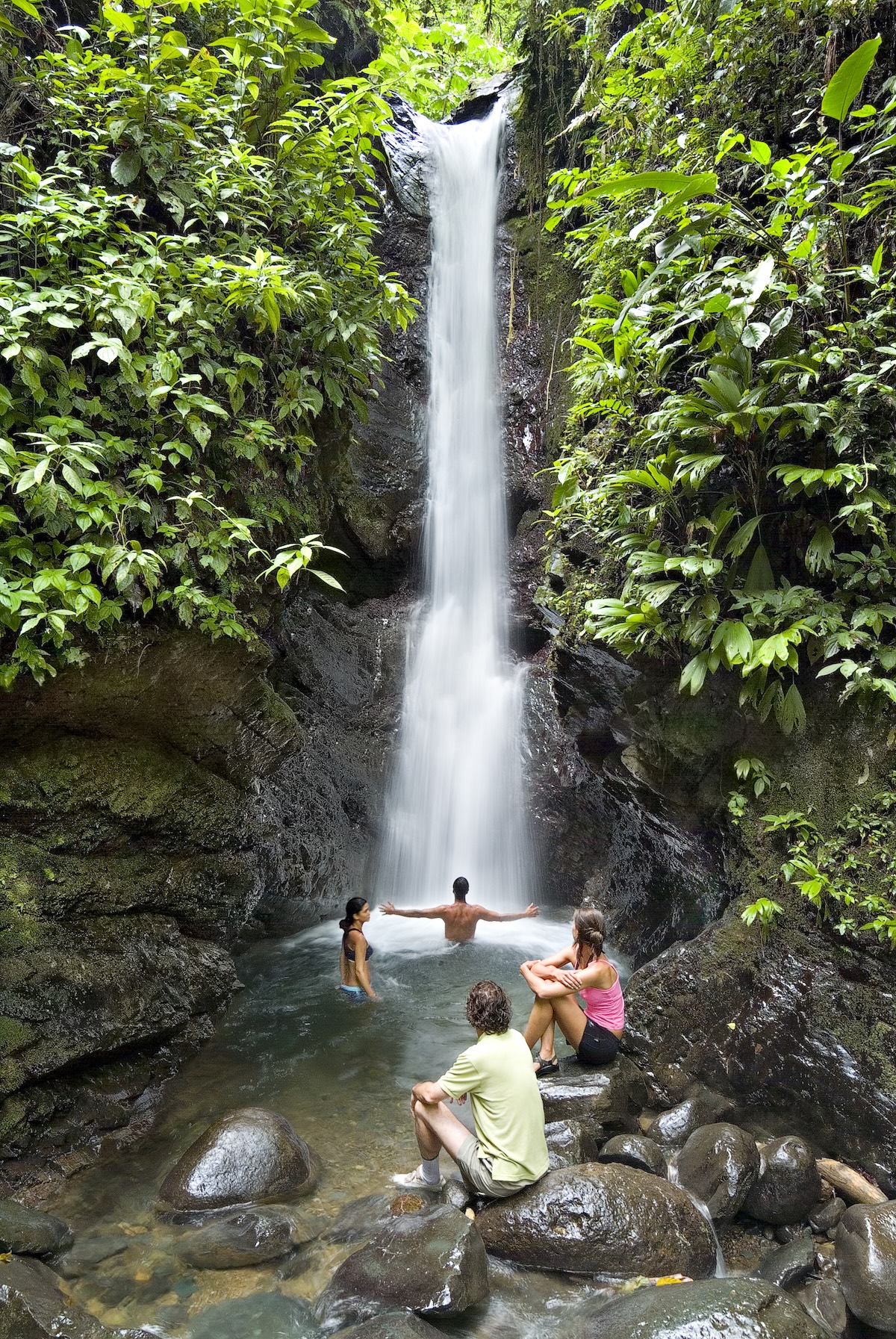
National Geographic described the Osa as “the most biologically intense place on Earth.” Scarlet macaws, spider monkeys, tapirs, pumas, four species of sea turtle — all within a peninsula roughly the size of a medium county.
The forest in Corcovado is a primary rainforest, dense and loud, and the guides who work it have spent years learning to read it.
Sustainable lodges in this region help guests see how travel can directly support protection. Camera traps, naturalist guides, and conservation-led interpretation make a rainforest stay more impactful.
The Osa is best for Guests who are comfortable with humidity, early starts, muddy trails, and the possibility that the most powerful moments may happen between planned sightings.


Origins Lodge, Upala: Stillness and Sensory Reset
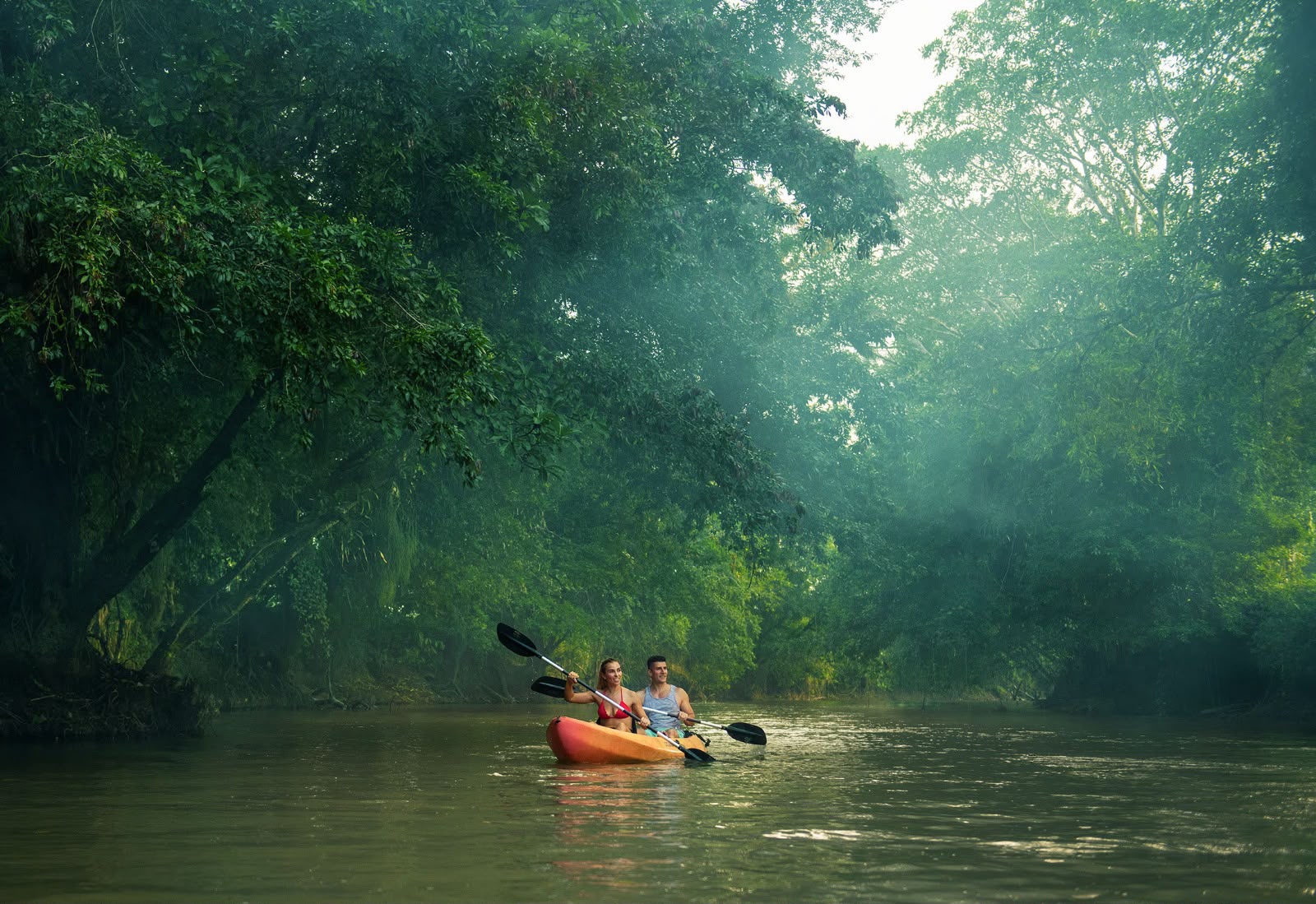
In Upala, Origins Lodge offers a slower, more private pause between active days.
Guests wake to birdsong, volcanic landscapes, and open views of northern Costa Rica. The experience is private and refined, but the focus stays on the setting: the birdsong, the volcanic views, the food, and the space to move slowly. Meals are slow and intentional. Wellness is built into the stay through rest, food, silence, and time outdoors.
This is where Guests can sleep deeply, eat thoughtfully, walk without hurry, and let silence do some of the work.
For couples, solo Guests, or anyone arriving depleted, Origins is best for resting, eating well, and spending time outdoors.
Pacuare River
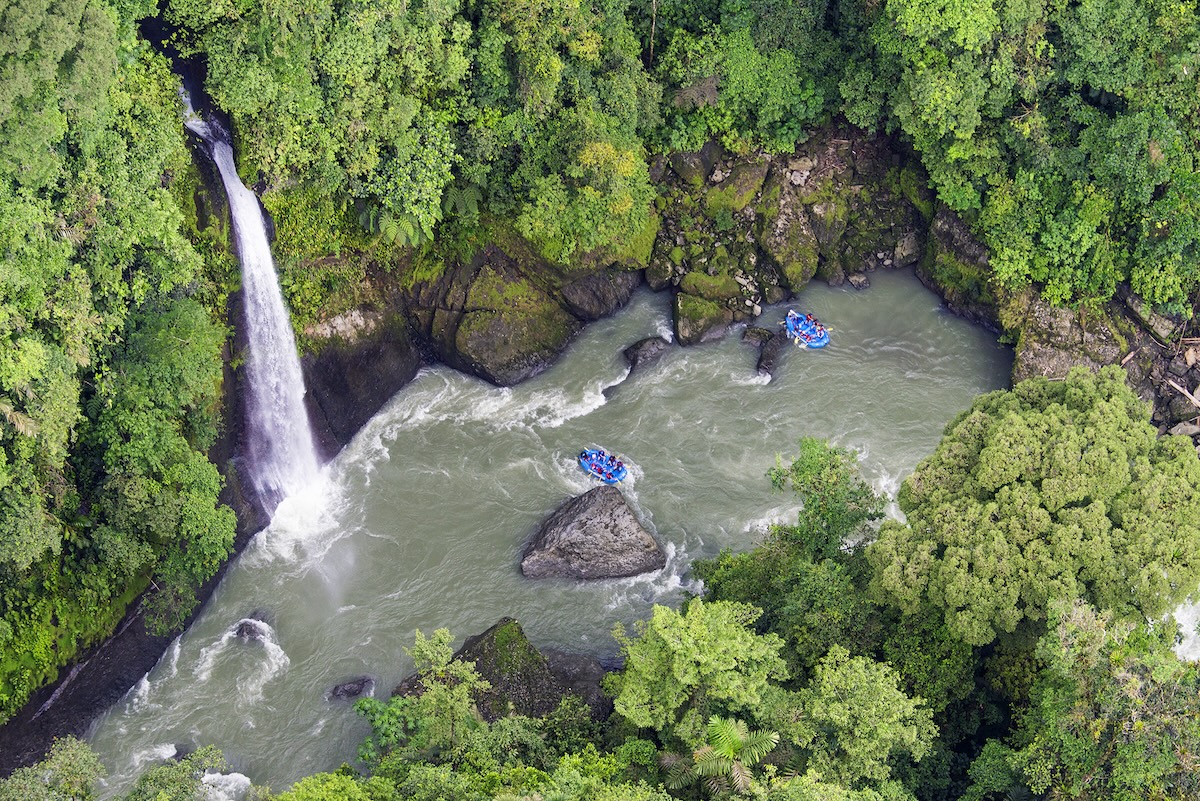
The Pacuare River brings a different kind of connection.
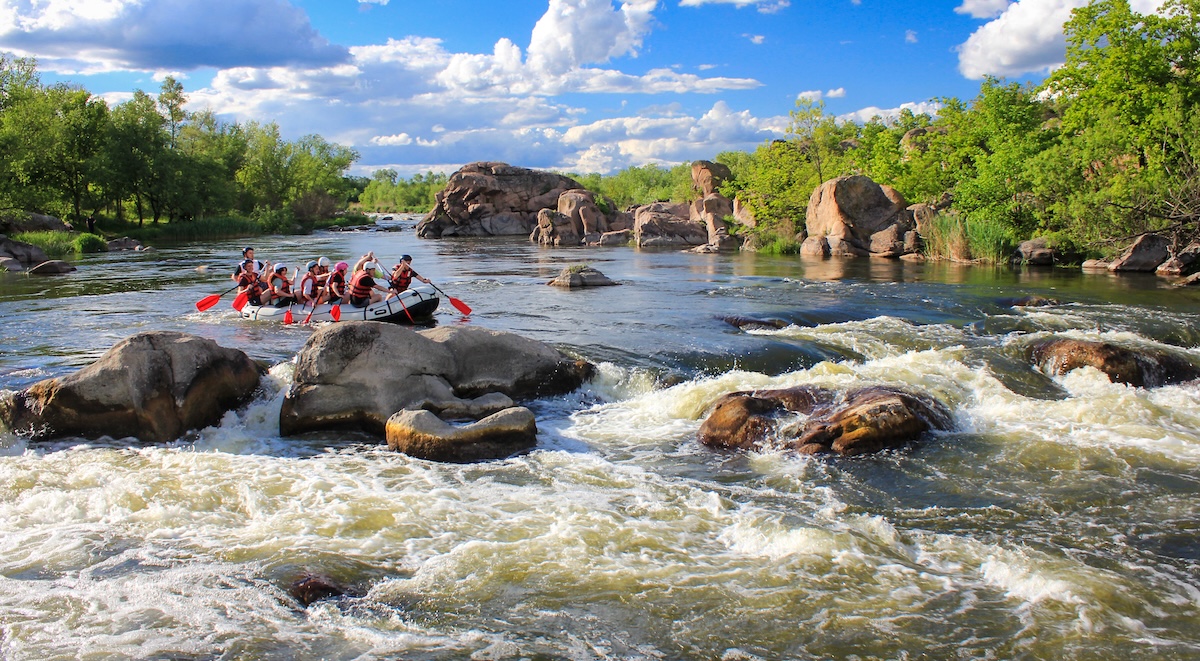
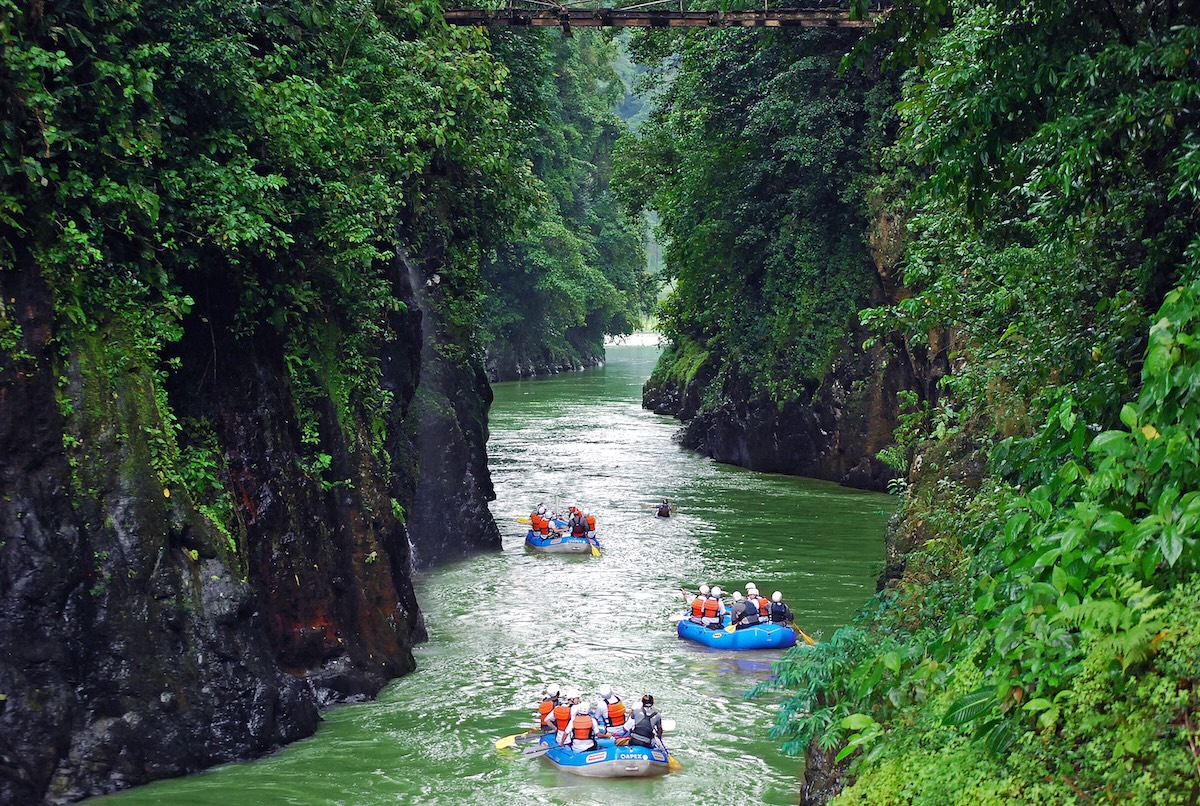
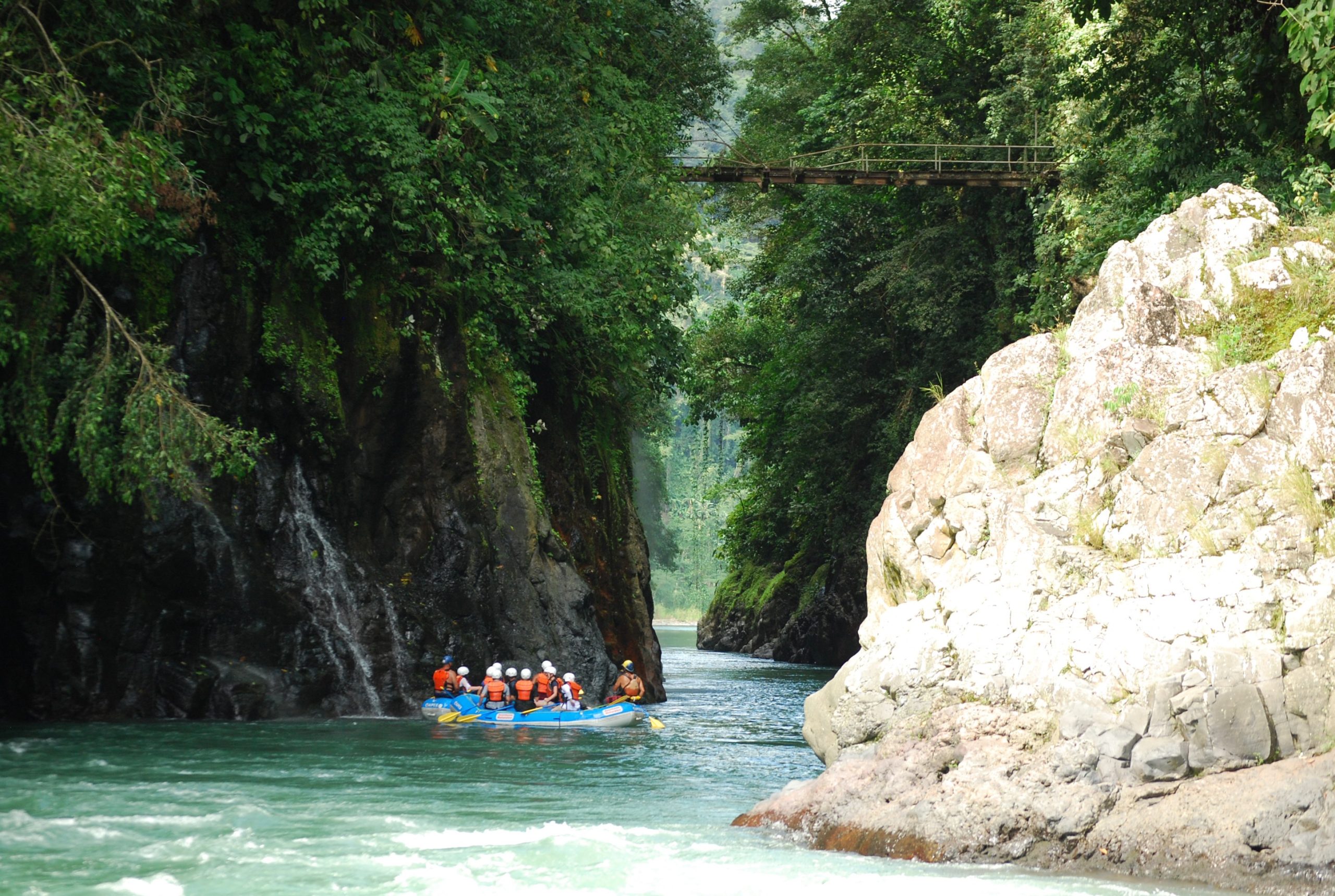
Guests participate. They paddle, listen, and trust the guide. The river asks for focus because the current changes quickly.
Between rapids, the rainforest closes in. Waterfalls drop from canyon walls. Birds move across the canopy. The journey becomes both active and reflective.
The Pacuare also opens important conversations about conservation, Indigenous communities, and the relationship between people and river systems. With the right guide, Guests understand the river as more than a route for adventure. They begin to see how the current, the forest, and the communities along the basin are connected.
For active guests, families with older children, or couples who want shared challenge, the Pacuare can be one of the most memorable parts of a Costa Rica itinerary.


The Part Guests Don’t Expect
The moments guests mention most when they come back aren’t usually the headline experiences. It’s the farmer who explained his land. The family that had them over. The guide who knew the forest well enough to make thirty minutes under a single tree worthwhile.
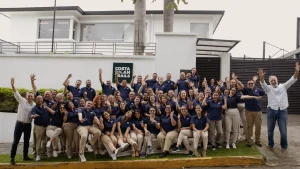
Costa Rican Trails builds those moments into the shape of the trip: time with local families, community-run experiences, and guides who know when to stop, wait, and let the place reveal itself.
If you have guests who would respond to that kind of trip, get in touch. We’ll build it properly.